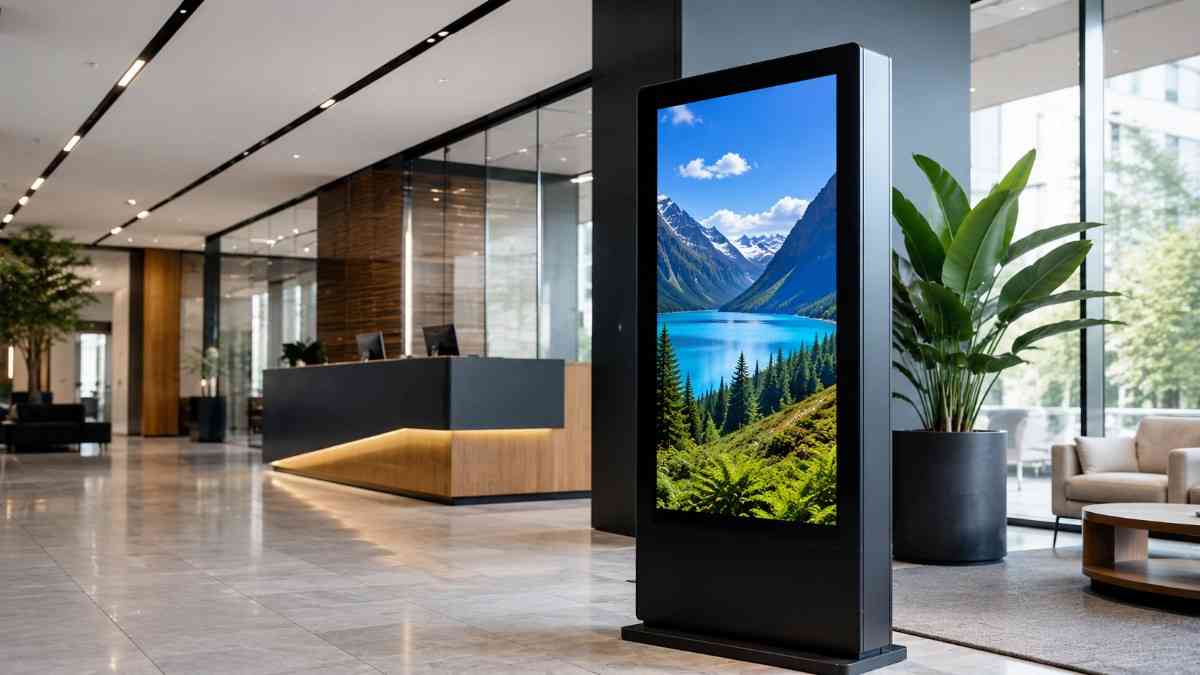
From retail stores and restaurants to schools, healthcare facilities, offices, and public venues, digital signage creates opportunities to communicate more clearly and engage audiences more effectively. Instead of static posters that quickly become outdated, digital displays deliver dynamic content that can be updated instantly.
At Dynamic Displays, businesses across New Zealand are discovering how digital signage can transform communication while enhancing customer experiences and strengthening brand visibility.
What Is Digital Signage New Zealand Businesses Use?
Digital signage refers to electronic displays that present information, promotions, announcements, videos, images, and other forms of visual content.
These systems can be managed remotely and updated in real time, giving businesses greater flexibility and control over their messaging.
You'll commonly find digital signage in:
- Retail stores
- Shopping centres
- Restaurants and cafés
- Hotels
- Schools and universities
- Healthcare facilities
- Corporate offices
- Transportation hubs
- Event venues
Unlike traditional signage, digital displays allow businesses to adapt content quickly without replacing printed materials.
Why Digital Signage Has Become So Popular
Think about the last time you walked through a shopping centre or airport.
Chances are your attention was drawn to a digital screen before you noticed a printed poster.
There's a reason for that.
According to research from the Digital Signage Federation, digital displays can significantly increase audience engagement and improve message recall compared to static signage. Motion, changing content, and vibrant visuals naturally attract attention.
I've noticed that even brief animations or rotating content can dramatically increase the amount of time people spend looking at a display.
The Shift Toward Visual Communication
People process visual information faster than text alone.
Digital signage helps businesses communicate complex messages in a format that is easier to understand and more enjoyable to consume.
This is especially valuable in busy environments where people have limited time and attention.
Benefits of Digital Signage New Zealand Organisations Appreciate
Real-Time Content Updates
One of the biggest advantages of digital signage is flexibility.
Content can be updated instantly across one display or hundreds of screens.
This allows businesses to:
- Promote new products
- Share announcements
- Update schedules
- Display event information
- Communicate important alerts
- Highlight seasonal campaigns
Changes can often be managed from a single platform.
Improved Customer Engagement
Dynamic content naturally attracts more attention than static materials.
When I tried comparing customer interactions around traditional signage versus digital displays, the digital screens consistently generated stronger engagement.
People are naturally curious about changing visuals.
Consistent Branding
Businesses with multiple locations often struggle to maintain consistent messaging.
Digital signage helps ensure brand standards remain aligned across every display.
Logos, colours, messaging, and promotional content can be centrally managed and updated.
Better Information Delivery
Clear communication improves experiences.
Whether you're helping customers find products, guiding visitors through a building, or sharing company announcements, digital signage makes information more accessible.
Types of Digital Signage Solutions
Different environments require different approaches.
Indoor Digital Signage
Indoor displays are commonly used for:
- Promotions
- Reception screens
- Information displays
- Corporate communication
- Menu boards
Indoor screens provide excellent visibility while supporting a wide range of content formats.
Outdoor Digital Signage
Outdoor displays are designed for visibility in changing environmental conditions.
They are often used for:
- Advertising
- Public information
- Wayfinding
- Event promotion
- Building signage
Outdoor digital signage allows businesses to reach audiences beyond their physical premises.
Interactive Displays
Interactive signage allows users to engage directly with content.
Examples include:
- Self-service kiosks
- Product directories
- Wayfinding systems
- Visitor information stations
These solutions create more personalised experiences.
Video Walls
Video walls combine multiple displays into one large visual experience.
They are often used in:
- Retail environments
- Event venues
- Control rooms
- Corporate spaces
Video walls create impressive visual impact while supporting large-scale communication.
Industries Benefiting from Digital Signage
Retail
Retailers use digital displays to promote products, showcase campaigns, and improve customer engagement.
Hospitality
Hotels, cafés, restaurants, and entertainment venues use digital signage for menus, promotions, and guest communication.
Education
Schools and universities rely on digital signage for announcements, schedules, event promotion, and campus communication.
Healthcare
Healthcare facilities use digital displays for patient information, wayfinding, and educational content.
Corporate Offices
Businesses use digital signage to improve internal communication and share updates with employees and visitors.
Public Sector Organisations
Government facilities and community spaces use digital displays to communicate important information to the public.
Key Features of Effective Digital Signage
Technology is only one part of the equation.
The most successful digital signage systems combine strong content, thoughtful design, and strategic placement.
Clear Messaging
Viewers often spend only a few seconds looking at a screen.
Messages should be concise and easy to understand.
High-Quality Visuals
Strong imagery and professional design improve engagement and reinforce brand credibility.
Strategic Screen Placement
Even excellent content can underperform if displays are poorly positioned.
I've noticed that businesses often see better results simply by relocating screens to areas with higher visibility.
Relevant Content
The most effective content provides value.
Whether it's information, entertainment, promotions, or guidance, relevance keeps audiences engaged.
How Digital Signage Supports Business Growth
Digital signage does more than display content.
It helps businesses improve communication while creating better experiences.
Enhanced Customer Experiences
Customers appreciate clear, accessible information.
Digital displays help answer questions, guide decisions, and create smoother interactions.
Increased Visibility
Dynamic displays stand out in crowded environments.
They help businesses capture attention and improve message awareness.
Greater Flexibility
Businesses can respond quickly to changing circumstances without waiting for new printed materials.
Stronger Brand Recognition
Consistent visual communication reinforces brand identity and helps build familiarity over time.
Why Businesses Choose Dynamic Displays
Choosing the right digital signage partner matters.
Technology, design, implementation, and support all play important roles in long-term success.
Dynamic Displays works with businesses across New Zealand to develop display solutions tailored to their communication objectives.
Businesses choose Dynamic Displays because of:
- Industry expertise
- Custom display solutions
- Modern technology
- Professional support
- Reliable implementation
Whether you're looking to improve customer engagement, modernise communication, or strengthen brand visibility, digital signage offers practical solutions that can adapt alongside your business.
The Future of Digital Signage in New Zealand
Digital communication continues to evolve.
Artificial intelligence, cloud-based content management, interactive technologies, and data-driven messaging are expanding the possibilities of digital signage.
In my experience, businesses that embrace flexible communication technologies often adapt more effectively to changing customer expectations.
I've noticed that audiences increasingly expect information to be immediate, visual, and accessible. Digital signage helps businesses meet those expectations while creating more engaging experiences.
As technology advances, digital signage will continue to play a central role in business communication throughout New Zealand.