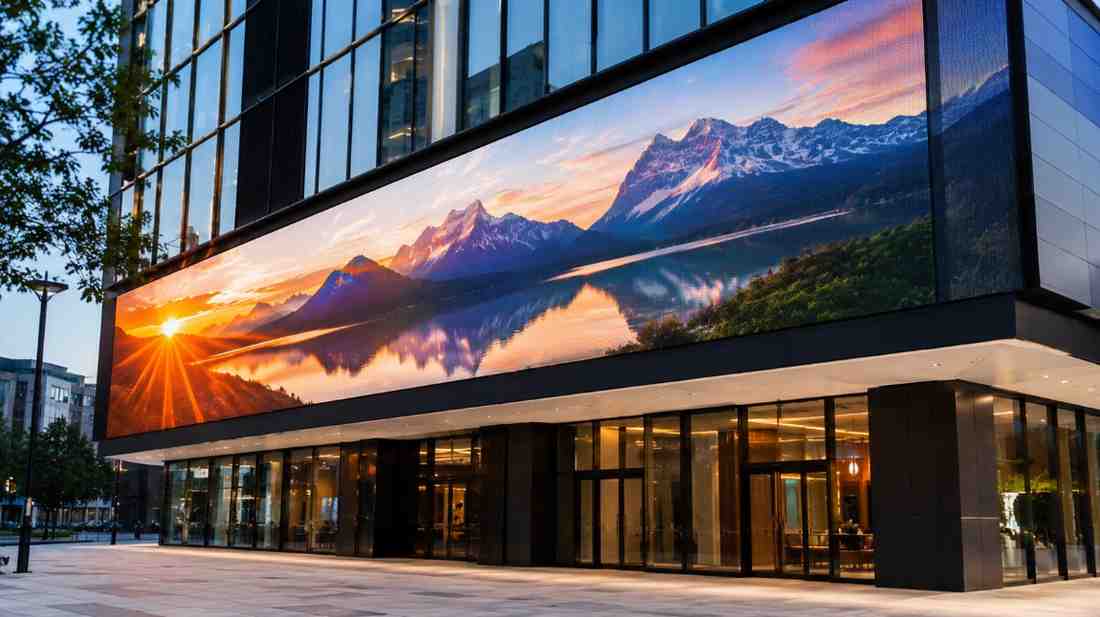
Whether you're attracting customers from the street, sharing important information in a corporate environment, or creating a memorable retail experience, LED signage gives you a powerful way to communicate in real time.
Unlike traditional signs that stay the same for years, LED displays can adapt instantly. You can update content, showcase promotions, share announcements, and engage your audience with dynamic visuals that naturally draw attention.
At Dynamic Displays, businesses across New Zealand are using LED technology to improve visibility, strengthen branding, and create more meaningful customer interactions.
Why LED Signage Has Become Essential for Modern Businesses
Think about walking through a busy shopping district.
Do you notice the static poster tucked inside a window, or does your attention naturally move toward the bright digital display showing movement, colour, and fresh content?
Most people choose the second option.
LED signage combines technology and communication in a way that captures attention faster than traditional advertising methods. It helps businesses stay relevant while delivering information in a format people naturally engage with.
A study published by the Digital Signage Federation found that digital displays can increase audience attention and message recall significantly compared to static signage. That matters when you only have a few seconds to make an impression.
Benefits of LED Signage NZ Businesses Are Experiencing
Increased Visibility
One of the biggest advantages of LED signage NZ solutions is visibility.
LED displays remain bright and clear in a wide range of lighting conditions. Whether it's a sunny afternoon or a rainy evening, your content remains easy to see.
For businesses located in busy commercial areas, visibility often translates directly into more opportunities to connect with customers.
Real-Time Content Updates
Traditional signs require physical replacement whenever information changes.
LED signage allows instant updates.
You can:
- Promote new products
- Announce events
- Display operating hours
- Share safety information
- Highlight seasonal campaigns
Everything can be updated quickly and efficiently.
Improved Customer Engagement
Movement naturally attracts attention.
Videos, animations, transitions, and rotating content help create a more engaging experience compared to static displays.
I've noticed that customers often spend longer looking at digital displays simply because the content feels more relevant and interactive.
Stronger Brand Presence
Your signage represents your business every day.
A professionally designed LED display reinforces your branding while helping customers remember your business.
Consistent exposure builds familiarity, and familiarity often leads to trust.
Flexible Communication
Business needs change regularly.
LED signage provides the flexibility to adapt messaging throughout the day, week, or season without replacing physical materials.
Types of LED Signage Available
Different environments require different display solutions.
Choosing the right system depends on your location, audience, and communication goals.
Indoor LED Signage
Indoor LED displays are commonly used in:
- Retail stores
- Shopping centres
- Corporate offices
- Healthcare facilities
- Educational institutions
- Reception areas
These displays help deliver information while enhancing the customer experience.
Outdoor LED Signage
Outdoor displays are designed to withstand environmental conditions while maintaining brightness and performance.
Common applications include:
- Building facades
- Retail storefronts
- Sports venues
- Event centres
- Transportation hubs
- Community information boards
Outdoor LED signage creates visibility from significant distances.
LED Video Walls
Video walls combine multiple LED panels to create a larger display surface.
They are ideal for:
- Corporate environments
- Public venues
- Event spaces
- Exhibition centres
- Entertainment facilities
Video walls create an immersive visual experience that leaves a lasting impression.
Information Display Screens
Many organisations use LED signage to provide real-time information.
Examples include:
- Arrival and departure updates
- Internal communications
- Emergency messaging
- Event schedules
- Educational content
These displays improve communication while reducing reliance on printed materials.
How LED Signage Helps Different Industries
Retail Stores
Retailers use LED signage to attract foot traffic and showcase promotions.
When I tried analysing customer behaviour around digital displays, one trend stood out clearly. People are more likely to notice changing content than static posters.
Retail businesses often use LED displays to:
- Promote sales
- Feature new arrivals
- Highlight popular products
- Create engaging storefront experiences
Hospitality Businesses
Hotels, restaurants, cafes, and entertainment venues benefit from flexible communication.
LED signage can display:
- Menus
- Event information
- Directions
- Welcome messages
- Brand promotions
Corporate Offices
Businesses use LED displays to improve both internal and external communication.
Applications include:
- Reception displays
- Meeting room information
- Employee communications
- Company updates
- Visitor information
Education Facilities
Schools and universities often rely on digital displays to communicate with students, staff, and visitors.
LED signage helps share information quickly and effectively across campus environments.
Healthcare Facilities
Hospitals and clinics use LED displays for:
- Wayfinding
- Patient information
- Queue management
- Public announcements
- Health awareness campaigns
Clear communication contributes to a better visitor experience.
Choosing the Right LED Signage NZ Solution
Not every display is suitable for every environment.
Before investing in LED signage, consider several important factors.
Display Location
Ask yourself:
- Will the display be indoors or outdoors?
- What viewing distance is required?
- What lighting conditions exist?
- How much space is available?
Location influences brightness requirements, display size, and installation methods.
Content Requirements
Think about the type of information you'll display.
Will you primarily show:
- Images?
- Videos?
- Promotional content?
- Information updates?
- Interactive messaging?
The answer helps determine the ideal display configuration.
Audience Expectations
Different audiences consume information differently.
A retail customer may respond best to eye-catching promotions, while a corporate visitor may need clear directional information.
Understanding your audience helps create more effective communication.
Future Growth
Technology should support your business as it evolves.
In my experience, organisations that choose scalable digital signage solutions often gain greater long-term flexibility because their communication needs continue to change over time.
What Makes Effective LED Signage?
Technology alone isn't enough.
Successful LED signage combines strong hardware with thoughtful communication.
Clear Messaging
People often view signage for only a few seconds.
Keep content concise, relevant, and easy to understand.
Professional Design
Good design improves readability and engagement.
Important design elements include:
- Readable typography
- Strong contrast
- Consistent branding
- Strategic use of motion
- High-quality visuals
Relevant Content
Content should provide value to the viewer.
Ask yourself:
"What information would be genuinely useful at this moment?"
The answer usually leads to stronger engagement.
Consistent Updates
Fresh content keeps displays relevant.
Regular updates encourage repeat viewing and help maintain audience interest.
Why Businesses Choose Dynamic Displays
Technology investments work best when supported by expertise.
Dynamic Displays helps organisations across New Zealand implement LED signage solutions that align with their business goals and communication strategies.
Businesses choose Dynamic Displays because they value:
- Tailored signage solutions
- Advanced display technology
- Professional installation
- Ongoing support
- Industry knowledge
Whether the objective is customer engagement, brand awareness, information sharing, or operational efficiency, the right LED signage solution can help achieve measurable results.
The Future of LED Signage in New Zealand
LED technology continues to evolve rapidly.
Higher resolutions, smarter content management systems, and improved energy efficiency are making digital displays even more valuable for businesses and organisations.
I've noticed that companies embracing digital communication today are often better positioned to adapt to changing customer expectations tomorrow.
As audiences become increasingly accustomed to dynamic digital experiences, LED signage will continue playing a central role in how businesses communicate.