Customer expectations have changed dramatically in recent years. People no longer want passive shopping or service experiences. They expect businesses to deliver fast information, seamless interactions, personalized communication, and engaging digital environments from the moment they walk through the door.
This shift is one of the biggest reasons interactive display boards are becoming essential across retail, hospitality, healthcare, education, and corporate industries.
Businesses are discovering that modern customers respond more positively to interactive experiences than static communication methods. Instead of simply viewing advertisements or informational signs, customers now want the ability to explore products, access information instantly, navigate spaces easily, and interact with brands in meaningful ways.
Interactive display boards help businesses meet these expectations by combining digital technology, visual communication, and real-time engagement into one powerful customer experience tool.
From touchscreen kiosks in shopping centres to digital wayfinding systems in hospitals, interactive displays are reshaping how businesses connect with audiences.
This article explores how interactive display boards improve customer experiences, why businesses are investing heavily in this technology, and what organizations should consider when implementing modern interactive solutions.
Why Customer Experience Has Become a Competitive Advantage
Businesses once focused mainly on products and pricing. Today, customer experience often determines whether people return, leave positive reviews, or recommend a business to others.
Customers now expect:
- Faster service
- Instant information
- Personalized interactions
- Digital convenience
- Seamless navigation
- Visually engaging environments
Businesses that fail to meet these expectations risk losing customer attention quickly.
Interactive display boards help solve these challenges by creating smarter, more responsive communication experiences.
What Are Interactive Display Boards?
Interactive display boards are digital communication systems that allow users to engage directly with on-screen content through touch, motion, or connected technologies.
Unlike traditional static displays, interactive systems enable customers to:
- Browse information
- Search products
- Navigate locations
- Explore services
- Access digital catalogues
- Place orders
- Interact with multimedia content
These systems combine:
- Commercial display screens
- Touch technology
- Interactive software
- Real-time content management
- Network connectivity
The result is a highly engaging communication platform that improves both customer convenience and business efficiency.
The Psychology Behind Interactive Customer Experiences
Interactive experiences are effective because they align with how people naturally engage with information.
Participation Increases Attention
Customers are more likely to stay engaged when they actively participate instead of passively observing.
Touch-enabled systems encourage:
- Exploration
- Curiosity
- Decision-making
- Emotional involvement
This creates stronger connections between customers and brands.
Faster Information Access Reduces Frustration
Customers value convenience.
Interactive display boards help users access information instantly without waiting for staff assistance. This improves satisfaction and reduces friction during the customer journey.
Visual Learning Improves Retention
Many customers absorb information more effectively through visual interaction than through printed materials or verbal explanations.
Interactive systems simplify complex information using:
- Videos
- Animations
- Graphics
- Guided navigation
This makes communication more effective.
Industries Using Interactive Display Boards Successfully
Interactive technology is now widely used across multiple industries because of its flexibility and customer engagement benefits.
Retail Stores
Retail businesses use interactive displays for:
- Product catalogues
- Self-service browsing
- Virtual product demonstrations
- Digital fitting experiences
- Promotional engagement
Interactive displays encourage customers to spend more time exploring products.
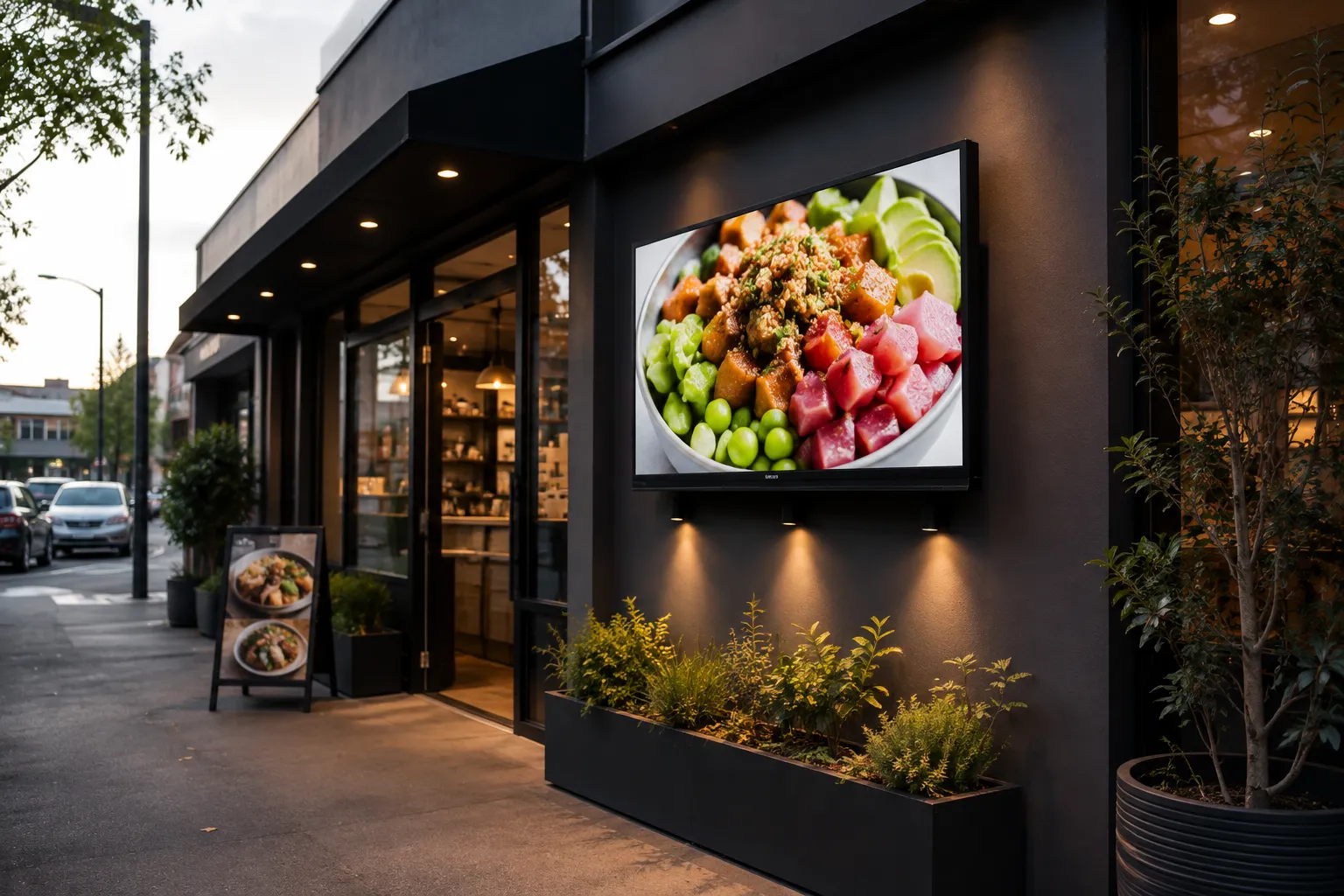
Restaurants and Hospitality
Hospitality businesses commonly use:
- Self-ordering kiosks
- Interactive menus
- Hotel concierge systems
- Event information displays
These systems improve efficiency while enhancing guest experiences.
Healthcare Facilities
Hospitals and clinics use interactive systems for:
- Wayfinding
- Patient check-ins
- Appointment information
- Health education
This reduces confusion and improves patient communication.
Corporate Offices
Corporate environments benefit from:
- Interactive reception displays
- Visitor management systems
- Meeting room scheduling
- Internal communication boards
Modern digital communication improves professionalism and workplace efficiency.
Educational Institutions
Schools and universities use interactive display boards for:
- Digital learning
- Campus navigation
- Student engagement
- Classroom collaboration
Interactive learning environments often improve participation and knowledge retention.
How Interactive Display Boards Improve Customer Experience
Interactive systems support customer engagement in several important ways.
They Create Personalized Experiences
Interactive displays allow customers to explore information relevant to their specific needs.
Examples include:
- Product recommendations
- Personalized searches
- Interactive service options
- Customized navigation
This creates more meaningful customer interactions.
They Reduce Waiting Frustration
Long wait times negatively affect customer satisfaction.
Interactive systems help by:
- Providing entertainment
- Offering self-service options
- Displaying live updates
- Simplifying processes
Customers feel more in control during their experience.
They Improve Accessibility
Interactive displays can support:
- Multi-language interfaces
- Adjustable text sizes
- Visual navigation
- Audio guidance
This improves accessibility for broader audiences.
They Increase Customer Confidence
Customers often hesitate when information is unclear.
Interactive display boards provide immediate answers, helping customers feel more informed and comfortable making decisions.
Popular Types of Interactive Display Boards
Businesses choose different display formats depending on customer needs and operational goals.
Touchscreen Kiosks
These standalone systems are commonly used for:
- Self-service ordering
- Information lookup
- Product browsing
- Customer registration
Interactive Video Walls
Large interactive walls create immersive brand experiences in:
- Retail stores
- Museums
- Corporate lobbies
- Event spaces
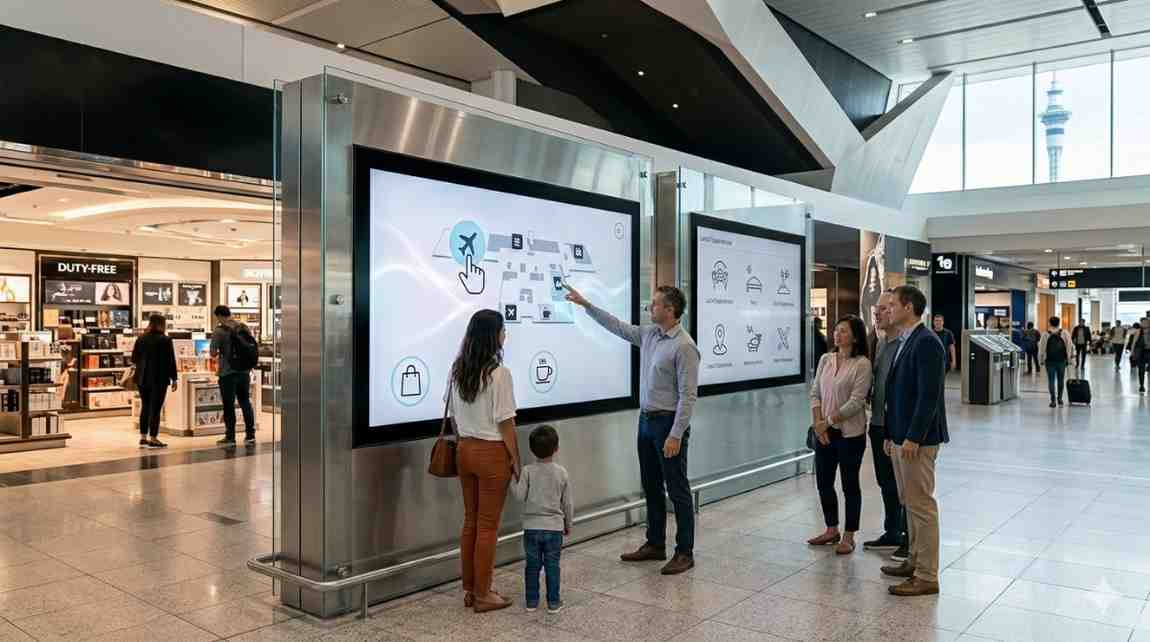
Digital Wayfinding Displays
These systems help customers navigate large environments such as:
- Shopping centres
- Airports
- Hospitals
- Universities
Smart Menu Boards
Restaurants use interactive menu systems to improve ordering speed and accuracy.
Collaborative Display Screens
Businesses and educational institutions use collaborative displays for presentations, meetings, and learning environments.
Why Interactive Displays Increase Customer Engagement
Traditional signage communicates in one direction. Interactive systems create two-way engagement.
Customers Spend More Time Interacting
Interactive content naturally increases dwell time because users actively explore information.
Longer engagement often leads to:
- Stronger brand recall
- Increased purchase intent
- Higher customer satisfaction
Interactive Experiences Feel More Memorable
Customers are more likely to remember experiences they actively participate in.
This helps businesses improve:
- Brand recognition
- Customer loyalty
- Word-of-mouth marketing
Data Collection Supports Better Marketing
Interactive systems can provide valuable customer insights, including:
- Popular products
- Search behavior
- Customer preferences
- Interaction patterns
Businesses can use this data to improve marketing strategies.
Common Mistakes Businesses Make With Interactive Display Boards
Even advanced systems can fail without proper planning.
Overcomplicated User Interfaces
Customers prefer simple and intuitive experiences.
Complex navigation frustrates users and reduces engagement.
Poor Screen Placement
Displays should be positioned where customers can access them comfortably and naturally.
Slow System Performance
Lagging interfaces create poor customer impressions.
Commercial-grade hardware and optimized software are essential.
Ignoring Content Updates
Interactive systems require fresh content to remain useful and engaging.
Failing to Train Staff
Employees should understand how the technology works so they can assist customers effectively.
Interactive Display Boards vs Traditional Signage
Businesses often compare interactive systems with traditional display methods before investing.
| Feature | Traditional Signage | Interactive Display Boards |
|---|---|---|
| Customer Engagement | Passive | Active |
| Content Flexibility | Limited | Real-time updates |
| Personalization | Minimal | High |
| Information Access | Static | Interactive |
| Data Collection | None | Available |
| User Experience | One-way communication | Two-way interaction |
This comparison explains why businesses increasingly prefer interactive solutions.
The Role of AI in Interactive Display Technology
Artificial intelligence is beginning to transform interactive customer experiences.
AI-Powered Recommendations
Interactive systems can now suggest products or services based on customer behavior.
Voice Interaction
Some systems support voice-based navigation and customer assistance.
Smart Content Adaptation
AI can adjust displayed content based on:
- Customer demographics
- Traffic patterns
- Time of day
- Audience engagement
These technologies are expected to grow significantly in the coming years.
Why Small Businesses Are Adopting Interactive Displays
Interactive technology is no longer limited to large corporations.
Small businesses use interactive display boards to:
- Improve customer service
- Reduce staff workload
- Increase engagement
- Modernize branding
- Create memorable experiences
Scalable technology makes interactive systems accessible for businesses of many sizes.
Best Practices for Implementing Interactive Display Boards
Businesses planning to invest in interactive technology should follow several important strategies.
Keep Interfaces Simple
Customers should understand how to use the system immediately.
Prioritize User Experience
Design content around customer convenience rather than technical complexity.
Use High-Quality Visuals
Strong graphics improve engagement and professionalism.
Ensure Fast Performance
Quick response times are essential for positive customer experiences.
Work With Experienced Providers
Professional installation and support improve reliability and long-term performance.
The Future of Interactive Customer Experiences
Interactive communication technology continues evolving rapidly.
Future trends may include:
- Gesture-controlled displays
- Augmented reality integration
- AI-powered personalization
- Mobile-connected experiences
- Smart retail environments
- Predictive customer interactions
Businesses that adapt early will position themselves ahead of competitors.
Final Thoughts
Customer experience is now one of the strongest drivers of business success. Modern consumers expect businesses to deliver convenience, engagement, and digital interaction across every stage of the customer journey.
Interactive display boards help businesses meet these expectations by transforming passive communication into engaging, customer-focused experiences.
Whether used in retail stores, restaurants, healthcare facilities, educational institutions, or corporate environments, interactive systems improve communication, increase engagement, and strengthen customer satisfaction.
As digital expectations continue growing, businesses that invest in interactive technology will create stronger customer relationships and more memorable brand experiences.
Dynamic Displays provides professional interactive display board solutions tailored to modern business environments and customer engagement goals.
Visit Dynamic Displays or call +64 21 281 5009 to discover interactive display solutions designed to enhance customer experience.