Walk into a busy shopping centre, airport, corporate office, or retail store and you'll notice something interesting. The businesses that grab your attention are rarely doing so by accident. Their branding, messaging, and customer communication are carefully supported by effective signage.
That is why NZ Signage has become an essential part of how organisations connect with customers, visitors, and employees. From traditional business signs to sophisticated digital display networks, modern signage solutions help businesses improve visibility, strengthen branding, and deliver information when it matters most.
Whether you're a small business owner, facility manager, retailer, or marketing professional, understanding today's signage landscape can help you make smarter decisions that support long-term growth.
Let's explore everything you need to know about NZ Signage solutions and how they can benefit your organisation.
What Is NZ Signage?
NZ Signage refers to the wide range of visual communication solutions used by businesses, organisations, educational institutions, healthcare facilities, government agencies, and public venues throughout New Zealand.
Signage serves several purposes:
- Branding and identity
- Customer communication
- Navigation and wayfinding
- Advertising and promotions
- Information sharing
- Safety and compliance
Modern signage is no longer limited to static signs mounted on walls. Today, businesses can choose from digital displays, interactive kiosks, LED video walls, LCD advertising screens, touchscreen directories, and integrated signage systems.
At its core, signage helps people find information quickly and efficiently.
Why Signage Matters More Than Ever
Consumers are exposed to thousands of marketing messages every day. Capturing attention has become increasingly challenging.
Effective signage solves this problem by placing information directly in front of people at the right moment.
First Impressions Happen Fast
Research consistently shows that customers form opinions about a business within seconds.
Your signage often creates that first impression.
A professional display can communicate:
- Credibility
- Trustworthiness
- Professionalism
- Brand quality
Poor signage can create the opposite effect.
Signage Influences Purchasing Decisions
According to research from the International Sign Association, nearly 76% of consumers have entered a store or business they had never visited before based solely on its signage.
That statistic highlights just how powerful visual communication can be.
Signage Works Around the Clock
Unlike many marketing channels, signage continues delivering value every day.
Whether installed indoors or outdoors, it remains visible to potential customers throughout operating hours and beyond.
The Evolution of Signage in New Zealand
The signage industry has undergone significant transformation over the last decade.
Businesses are moving beyond traditional printed signs and embracing dynamic digital communication.
Traditional Signage
Traditional signage remains valuable for:
- Building identification
- Directional information
- Brand visibility
- Permanent installations
Examples include:
- Building signs
- Window graphics
- Reception signage
- Wayfinding systems
- Exterior branding
Digital Signage
Digital signage introduces flexibility and engagement that static signs cannot provide.
Content can be updated instantly without replacing physical materials.
Businesses can display:
- Promotions
- News updates
- Announcements
- Videos
- Interactive content
- Real-time information
This capability makes digital signage one of the fastest-growing communication tools in New Zealand.
Exploring Different Types of NZ Signage Solutions
Choosing the right signage solution begins with understanding the available options.
Digital Signage Displays
Digital displays are becoming increasingly popular across multiple industries.
These systems typically use:
- LCD displays
- LED displays
- Interactive touchscreens
- Video walls
Applications include:
- Retail advertising
- Corporate communications
- Educational messaging
- Healthcare information
- Hospitality promotions
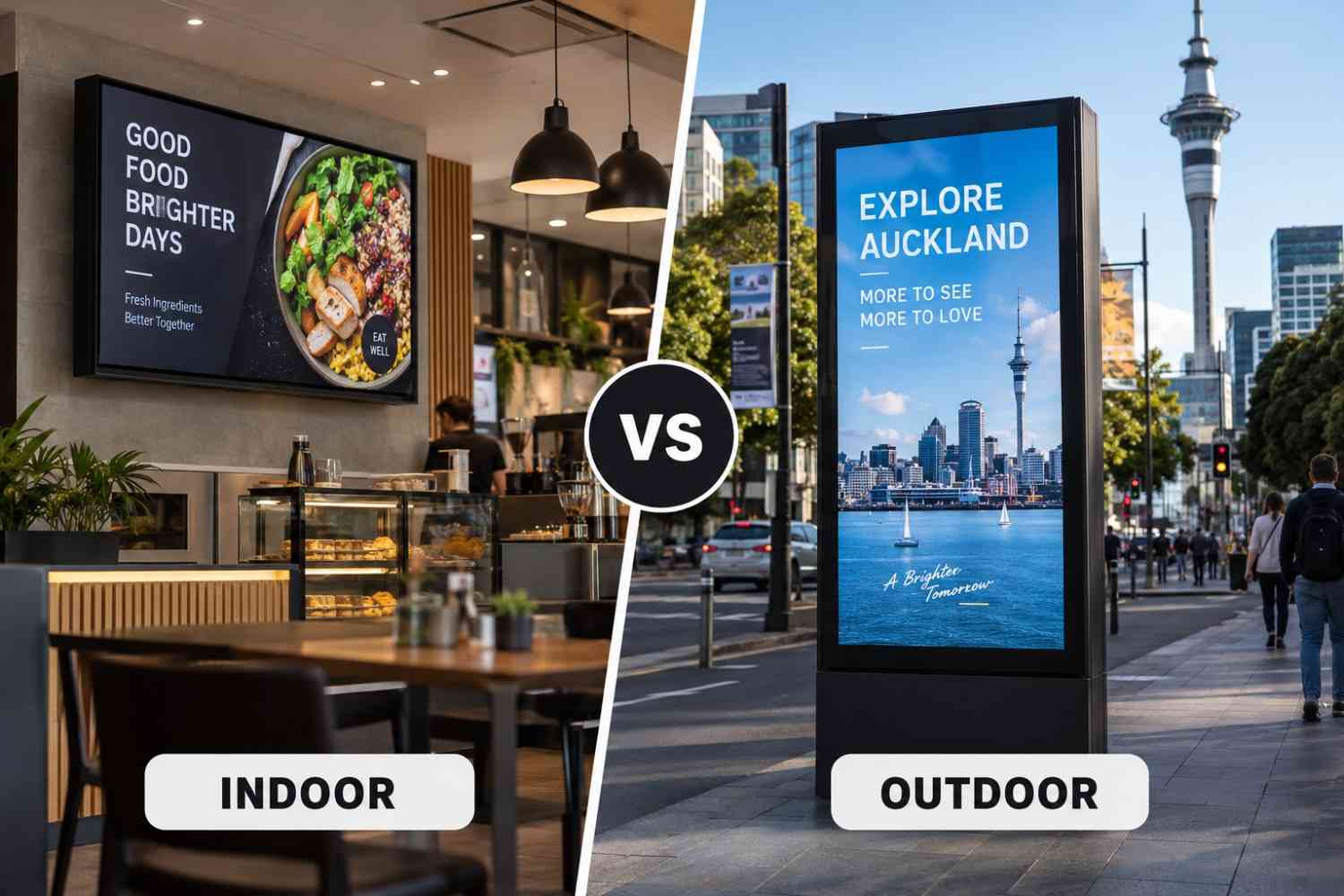
Outdoor Signage
Outdoor signage focuses on visibility and brand awareness.
Common examples include:
- Monument signs
- Building signs
- Pole signs
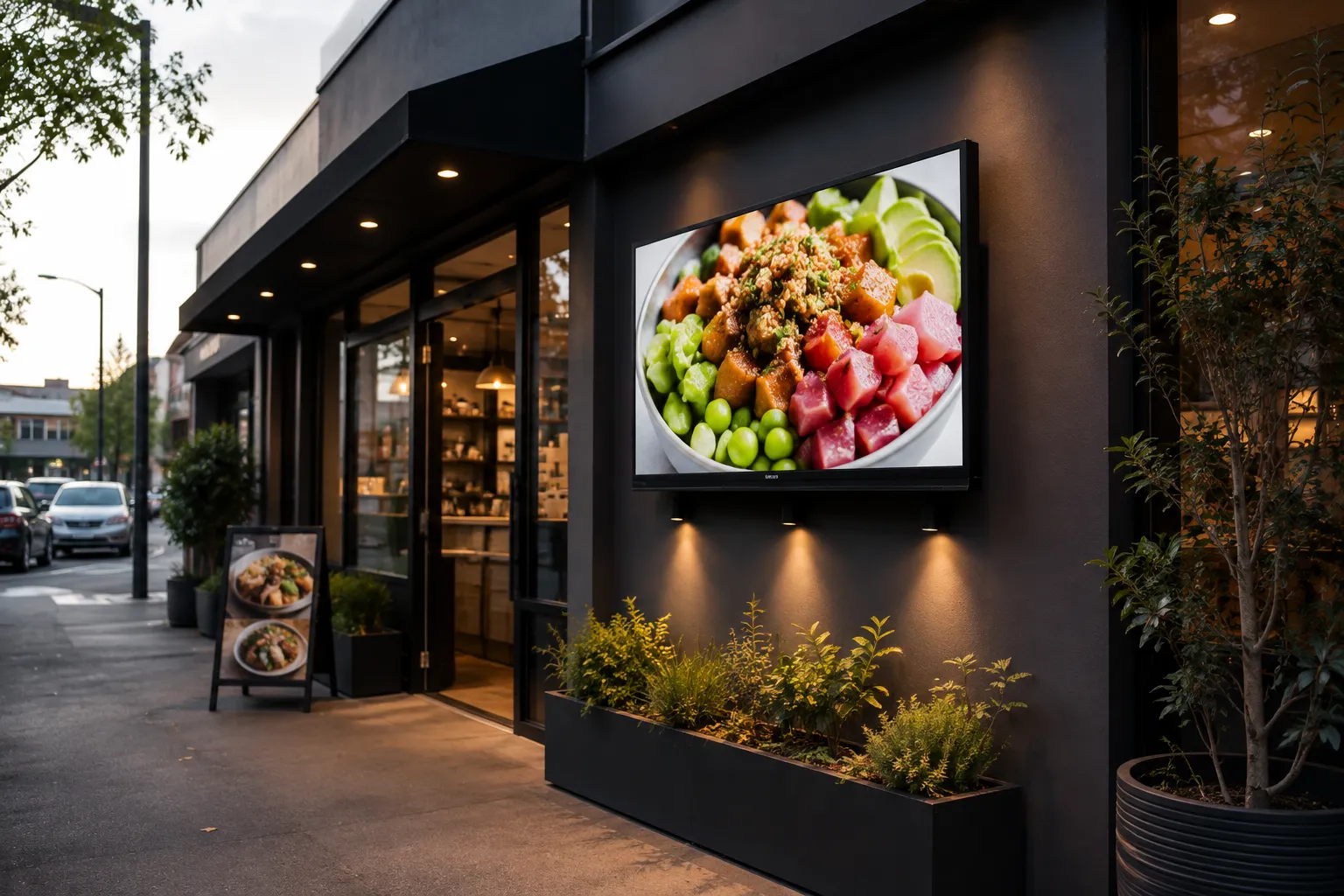
- Outdoor digital displays
- Directional signage
These signs help businesses attract attention from passing traffic and pedestrians.
Indoor Signage
Indoor signage supports customer experiences and operational efficiency.
Examples include:
- Reception displays
- Meeting room signage
- Digital directories
- Informational displays
- Wall graphics
Interactive Signage
Interactive displays allow users to engage directly with content.
Common uses include:
- Product catalogues
- Visitor directories
- Self-service kiosks
- Educational displays
This creates a more engaging customer experience while reducing staff workload.
Industries That Benefit Most from NZ Signage
Almost every industry can benefit from effective signage.
However, some sectors experience particularly strong results.
Retail
Retailers use signage to:
- Promote products
- Highlight offers
- Increase sales
- Improve customer navigation
Digital displays can quickly adapt messaging based on promotions and inventory changes.
Corporate Offices
Corporate environments use signage for:
- Internal communications
- Meeting room management
- Visitor navigation
- Brand reinforcement
Professional displays help create a polished workplace experience.
Education
Schools and universities rely on signage to communicate:
- Campus directions
- Event information
- Emergency notifications
- Student announcements
Healthcare
Hospitals and medical facilities benefit from wayfinding signage that reduces confusion and improves patient experiences.
Hospitality
Hotels, restaurants, and entertainment venues use signage to create engaging guest experiences while supporting promotions and operational communication.
How to Choose the Right Signage Solution
Not all signage solutions deliver the same results.
Before making a decision, consider the following factors.
Step 1: Define Your Objective
Ask yourself:
- What information needs to be communicated?
- Who is the audience?
- What action should viewers take?
Clear objectives lead to more effective signage strategies.
Step 2: Understand Viewing Conditions
Visibility depends on factors such as:
- Distance
- Lighting
- Foot traffic
- Vehicle traffic
- Environmental conditions
A display designed for a reception area differs significantly from one intended for roadside advertising.
Step 3: Consider Content Requirements
If content changes frequently, digital signage may be more suitable than static signage.
Businesses displaying promotions, schedules, or announcements often benefit from digital systems.
Step 4: Prioritise Scalability
Choose solutions that can evolve with your organisation.
Future growth may require additional screens, new locations, or expanded content capabilities.
Common Signage Mistakes Businesses Make
Even well-intentioned signage projects can fall short.
Overcomplicated Messaging
People often have only seconds to absorb information.
Keep messages concise and focused.
Poor Placement
Visibility matters.
Even the most attractive sign will underperform if people cannot easily see it.
Ignoring User Experience
Signage should make information easier to understand, not harder.
Simple layouts often outperform complex designs.
Inconsistent Branding
Signage should align with your broader brand identity.
Consistency strengthens recognition and trust.
Emerging Trends Shaping the Future of NZ Signage
The future of signage is becoming increasingly intelligent, interactive, and data-driven.
Smart Content Management
Cloud-based systems allow businesses to manage displays across multiple locations from a single platform.
Interactive Experiences
Touch-enabled displays create personalised experiences that improve engagement.
AI-Driven Content Delivery
Advanced signage systems can adapt messaging based on audience behaviour and environmental factors.
Sustainability
Businesses are increasingly prioritising environmentally responsible signage materials and energy-efficient display technologies.
Expert Recommendations for Maximising Signage Performance
After reviewing countless signage installations across different industries, several best practices consistently stand out.
Focus on Simplicity
The most effective signs often communicate one clear message.
Design for the Audience
Consider how people will interact with the display.
Pedestrians, shoppers, employees, and drivers all have different viewing behaviours.
Keep Content Fresh
For digital signage, regularly updating content helps maintain engagement.
Measure Results
Track customer engagement, visitor flow, and communication effectiveness whenever possible.
Small adjustments can often generate significant improvements.
Why Businesses Across New Zealand Choose Dynamic Displays
Successful signage projects require more than quality hardware.
They require expertise, planning, strategy, and ongoing support.
Dynamic Displays helps organisations implement signage solutions that improve communication, strengthen branding, and enhance customer experiences.
From LCD signage displays and digital screens to integrated signage systems and commercial display networks, businesses rely on Dynamic Displays to create solutions tailored to their unique goals.
Whether you're upgrading existing infrastructure or planning a completely new deployment, working with experienced specialists can make a substantial difference in project success.
Conclusion
The role of NZ Signage continues to evolve as businesses seek smarter ways to communicate, engage customers, and strengthen their brand presence. From traditional business signs to sophisticated digital signage networks, the right solution can improve visibility, streamline communication, and create memorable customer experiences.
By understanding the different types of signage, industry applications, emerging technologies, and best practices, businesses can make informed decisions that support long-term growth and operational success.
If you're looking to implement innovative signage solutions tailored to your business needs, contact Dynamic Displays today at +64 21 281 5009 and discover how modern NZ Signage can transform the way you connect with your audience.