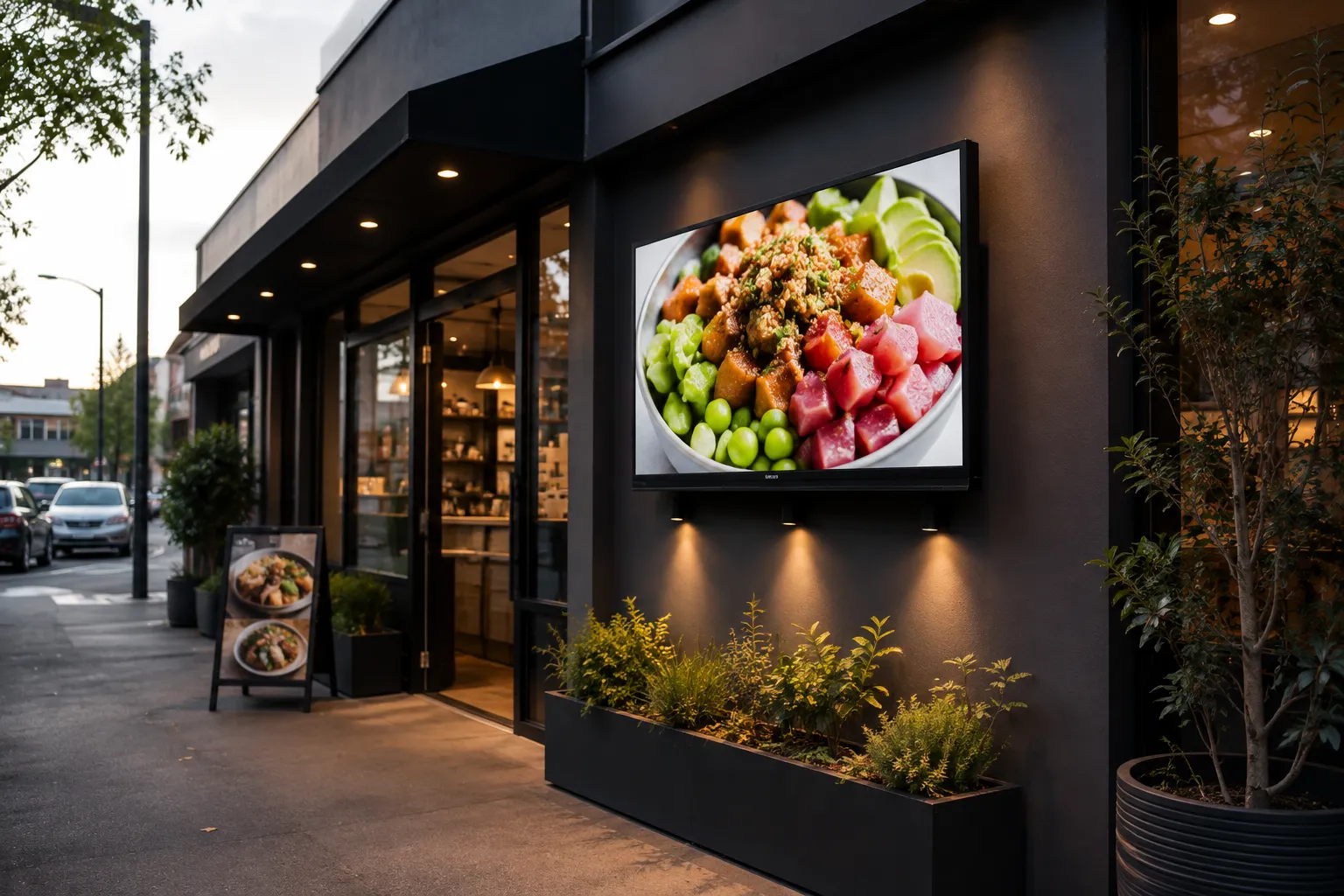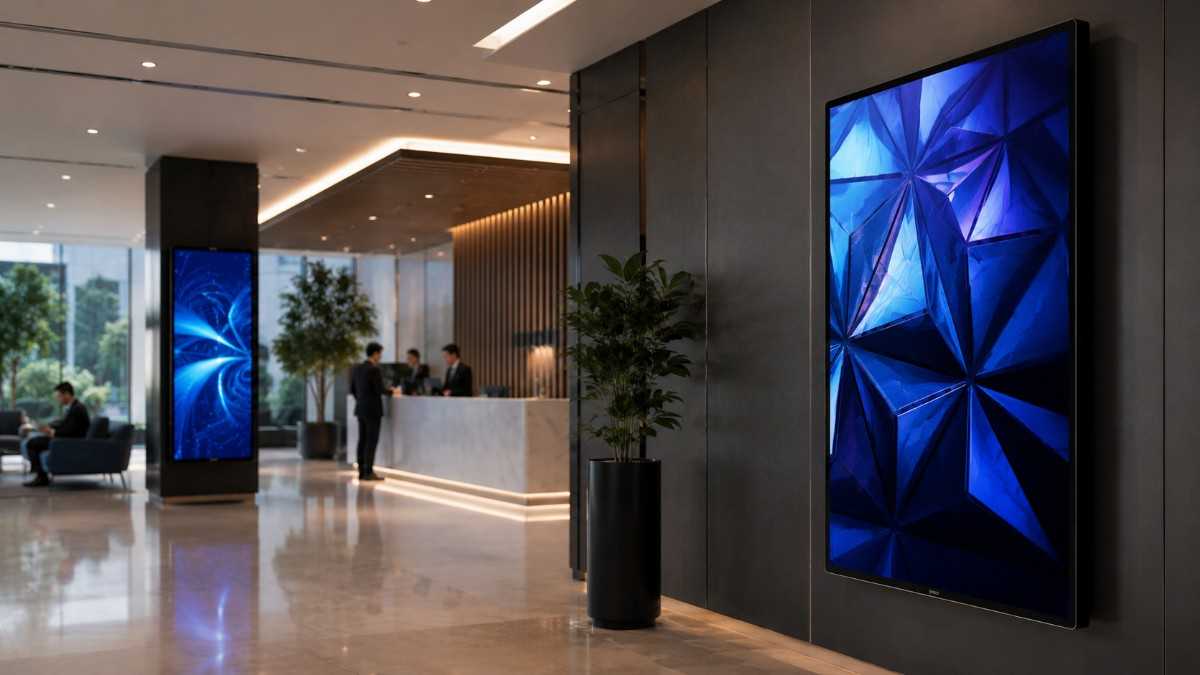
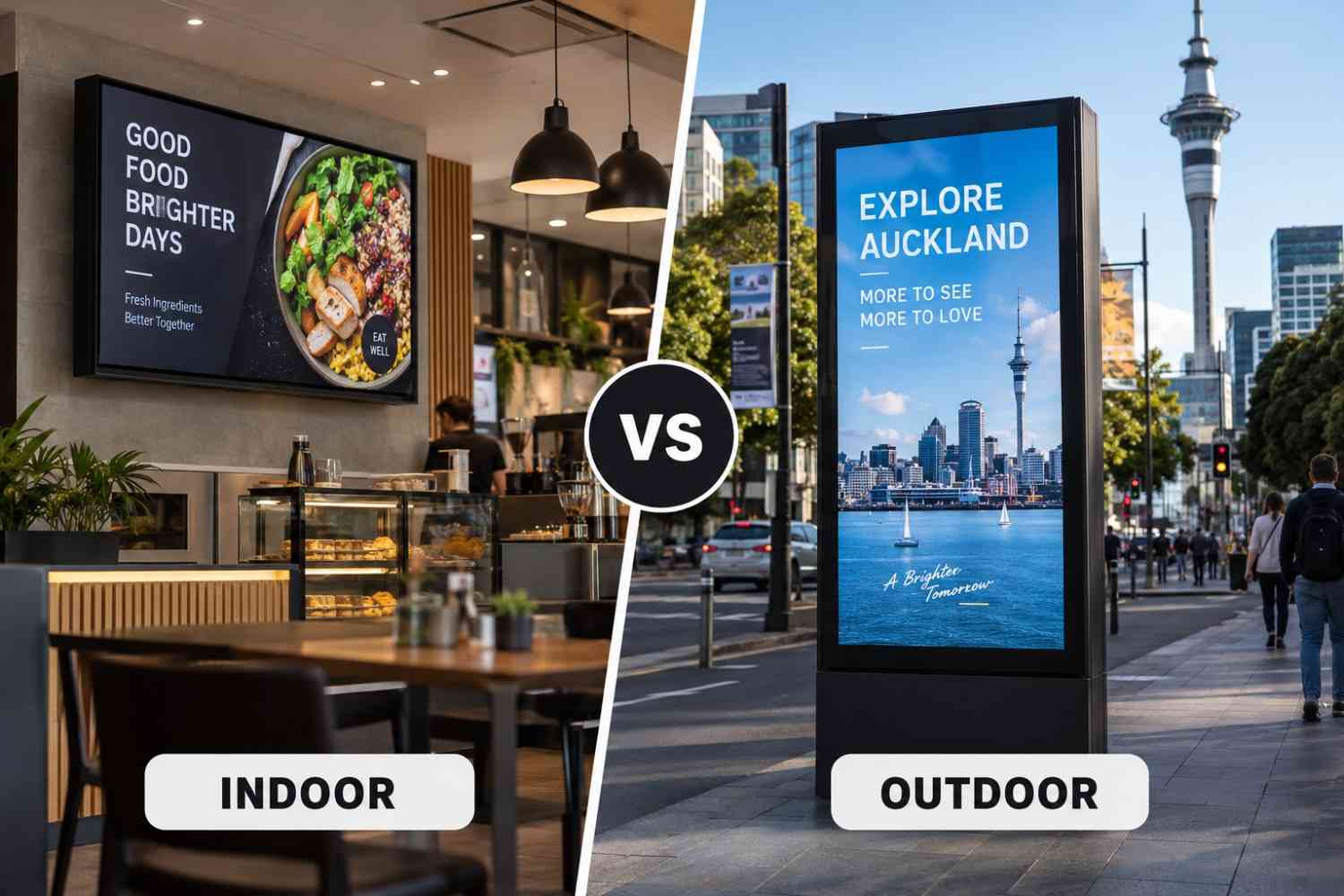
Imagine walking through a busy shopping district. Dozens of businesses line the street. Some instantly catch your attention. Others fade into the background despite offering excellent products or services.
What creates the difference?
More often than not, the answer is effective visual communication.
Modern signage solutions help businesses break through the noise, communicate their message clearly, and create memorable customer experiences. Whether it's a digital display welcoming visitors into a corporate office or a large outdoor screen promoting products in a retail environment, the right signage can influence how people perceive and interact with a brand.
Today's customers expect engaging experiences. Static communication is no longer enough. Businesses that embrace innovative signage technologies often gain a significant competitive advantage.
This guide explores the latest signage solutions, how they work, and why they have become one of the most valuable business communication tools available today.
What Are Signage Solutions?
Signage solutions are systems, displays, and communication tools designed to deliver information, branding, advertising, and guidance to specific audiences.
They include both traditional and digital formats.
Examples include:
- Digital signage displays
- LCD advertising screens
- LED display boards
- Interactive kiosks
- Video walls
- Wayfinding systems
- Corporate communication displays
- Retail promotional screens
- Reception displays
The goal is simple: communicate the right message to the right audience at the right time.
When implemented correctly, signage becomes a powerful extension of a company's marketing, customer service, and operational strategy.
The Business Challenge Most Companies Face
Many businesses spend heavily on advertising, websites, and social media.
Yet they overlook one of the most visible customer touchpoints: their physical environment.
Customers constantly make decisions based on what they see around them.
Without effective signage, businesses often struggle with:
Low Brand Visibility
Potential customers may pass by without noticing the business.
Poor Customer Navigation
Visitors become frustrated when they cannot find information quickly.
Inconsistent Messaging
Different communication channels deliver conflicting information.
Missed Sales Opportunities
Promotions and offers go unnoticed.
Innovative signage solutions address all of these challenges simultaneously.
How Modern Signage Solutions Have Evolved
The signage industry has changed dramatically over the past decade.
Traditional printed signs still serve important purposes, but digital technologies have introduced entirely new possibilities.
Then: Static Communication
Traditional signage offered:
- Fixed messaging
- Limited flexibility
- Manual updates
- Long replacement cycles
Now: Dynamic Communication
Modern signage solutions provide:
- Real-time content updates
- Interactive experiences
- Data-driven messaging
- Centralized management
- Multimedia content delivery
This shift allows businesses to respond quickly to customer needs and changing circumstances.
The Most Effective Types of Signage Solutions Available Today
Digital Signage Displays
Digital signage has become one of the fastest-growing communication technologies globally.
Businesses use digital displays to showcase:
- Promotions
- Product launches
- Company news
- Safety messages
- Event information
- Brand storytelling
According to Grand View Research, the global digital signage market continues to expand as organizations seek more engaging communication methods.
Interactive Touchscreen Solutions
Interactive displays allow users to engage directly with content.
Popular applications include:
- Product catalogues
- Building directories
- Visitor information systems
- Self-service kiosks
Interactive signage improves engagement while reducing reliance on staff assistance.
Video Walls
Video walls combine multiple screens into a single large display.
They are commonly used in:
- Corporate lobbies
- Retail flagship stores
- Control rooms
- Exhibition venues
The visual impact is often impossible to ignore.
Outdoor Digital Displays
Outdoor signage solutions help businesses communicate with passing traffic and pedestrians.
Applications include:
- Retail advertising
- Transportation updates
- Event promotion
- Public information
Their visibility makes them particularly effective for brand awareness campaigns.
Industry-Specific Signage Solutions
Different industries require different approaches.
Retail Environments
Retailers use signage to influence purchasing decisions.
Effective retail signage can:
- Increase product awareness
- Highlight promotions
- Improve customer flow
- Encourage impulse purchases
Many retailers report higher engagement when digital displays are integrated into their stores.
Corporate Offices
Corporate signage solutions support both employees and visitors.
Common uses include:
- Reception displays
- Meeting room booking screens
- Internal communications
- Corporate branding
Professional displays help create a polished workplace experience.
Healthcare Facilities
Healthcare environments often rely on signage for:
- Patient navigation
- Appointment information
- Health education
- Emergency notifications
Clear communication reduces confusion and improves overall patient satisfaction.
Educational Institutions
Schools and universities use signage systems to:
- Share announcements
- Promote events
- Communicate safety information
- Support campus navigation
Digital displays allow information to be updated instantly across multiple locations.
Hospitality Venues
Hotels, restaurants, and entertainment venues use signage to enhance guest experiences.
Examples include:
- Menu displays
- Event schedules
- Welcome screens
- Promotional content
Five Signs Your Business Needs Better Signage
Many organisations operate with outdated communication systems without realising the impact.
Consider upgrading your signage if:
- Customers frequently ask for directions.
- Promotions receive little attention.
- Brand visibility is inconsistent.
- Information changes regularly.
- Visitor experiences feel fragmented.
Addressing these issues often leads to noticeable improvements in customer engagement.
What Makes a Signage Solution Successful?
Technology alone does not guarantee results.
Successful signage projects share several characteristics.
Clear Objectives
Every display should serve a defined purpose.
Ask:
- What message needs to be communicated?
- Who is the audience?
- What action should viewers take?
Strategic Placement
Location matters as much as content.
The most effective displays are positioned where people naturally look.
High-Quality Content
Content should be:
- Relevant
- Easy to understand
- Visually appealing
- Consistently updated
Reliable Technology
Downtime undermines credibility.
Businesses should invest in commercial-grade display systems designed for continuous operation.
Comparing Traditional and Digital Signage Solutions
| Feature | Traditional Signage | Digital Signage |
|---|---|---|
| Content Updates | Manual | Instant |
| Flexibility | Limited | High |
| Multimedia Support | No | Yes |
| Scalability | Moderate | Excellent |
| Audience Engagement | Basic | Advanced |
| Real-Time Communication | No | Yes |
While traditional signage still has value, digital solutions provide significantly greater flexibility and communication power.
Emerging Trends Shaping the Future of Signage
The signage industry continues to evolve rapidly.
Artificial Intelligence Integration
AI is helping businesses personalize content based on audience behavior and environmental conditions.
Cloud-Based Management
Organizations can manage entire signage networks remotely through centralized platforms.
Data-Driven Communication
Advanced analytics help businesses understand which content performs best.
Sustainability Initiatives
Energy-efficient displays and environmentally responsible materials are becoming increasingly important.
Interactive Customer Experiences
Customers expect more than passive viewing. Interactive displays continue gaining popularity across industries.
Expert Tips for Maximising ROI From Signage Solutions
After reviewing successful signage deployments across multiple sectors, several best practices consistently emerge.
Keep Messaging Simple
People rarely spend more than a few seconds viewing content.
Design for Readability
Prioritize:
- Large fonts
- Strong contrast
- Clear layouts
Update Content Regularly
Fresh content maintains audience attention and relevance.
Align With Brand Identity
Every display should reinforce your company's visual identity and messaging strategy.
Measure Performance
Track engagement, visitor behavior, and communication effectiveness whenever possible.
Small improvements can deliver significant long-term results.
Why Businesses Choose Dynamic Displays
Successful signage implementation requires more than installing screens.
It requires planning, design expertise, technology integration, content strategy, and ongoing support.
Dynamic Displays works with organizations across New Zealand to create tailored signage solutions that improve communication, strengthen branding, and enhance customer experiences.
Whether the goal is improving visitor navigation, increasing retail engagement, modernizing workplace communications, or deploying large-scale digital display networks, the right strategy can transform how businesses connect with their audiences.
Conclusion
Businesses today compete for attention in increasingly crowded environments. Innovative signage solutions provide a powerful way to improve visibility, strengthen brand recognition, enhance customer experiences, and communicate more effectively.
From interactive displays and digital signage networks to wayfinding systems and large-scale video walls, modern signage technologies offer opportunities that extend far beyond traditional signs.
Organizations that invest in thoughtful, customer-focused signage strategies often see improvements in engagement, communication efficiency, and brand perception.
If you're ready to explore innovative signage solutions that help your business stand out, contact Dynamic Displays today at +64 21 281 5009 and discover how the right display technology can transform your customer experience.