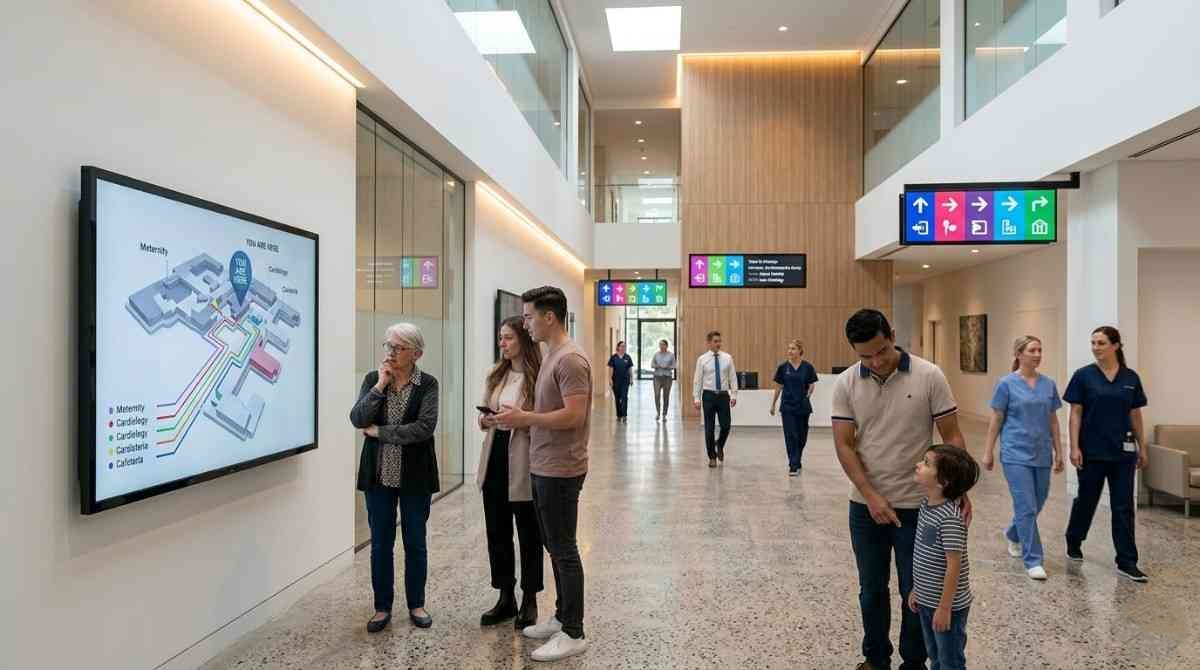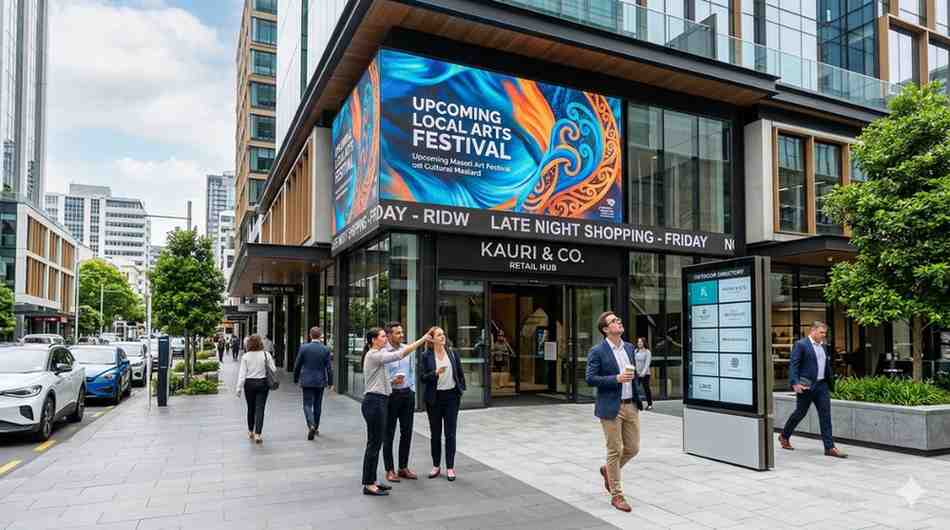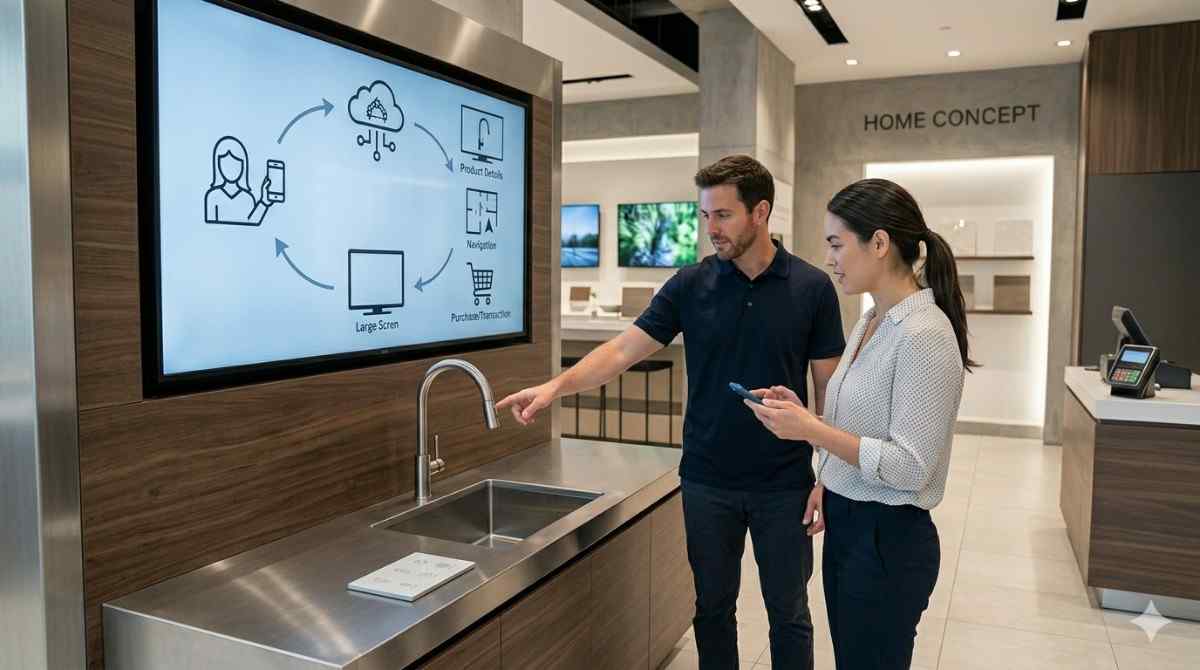
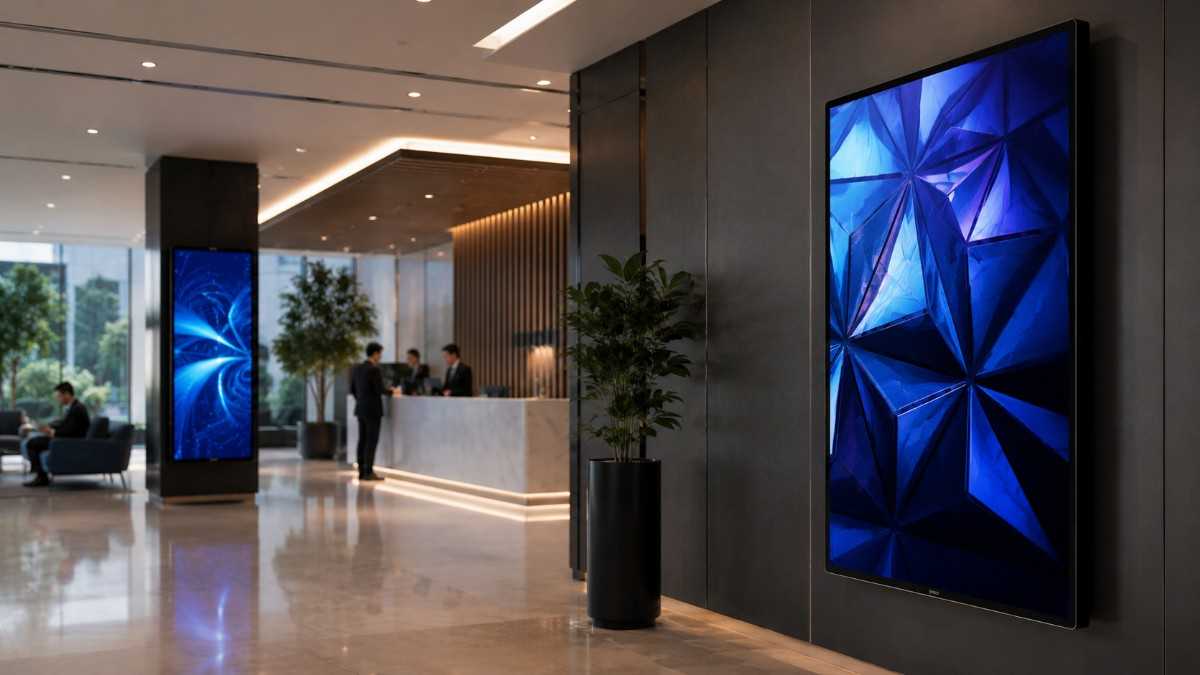
A customer walks past a storefront and notices a bright promotional display. A visitor enters a corporate office and instantly finds the reception area through directional signage. A diner scans a digital menu board before placing an order.
These moments happen in seconds, yet they shape how people experience a business.
That is exactly why signage systems matter.
Modern signage is no longer limited to printed banners or static boards. Businesses today rely on advanced digital signage systems, interactive displays, LED screens, and smart communication tools to attract attention, guide customers, and strengthen branding.
The most effective signage systems do more than display information. They influence decisions, improve customer experiences, and support long-term business growth.
In this guide, you will learn how signage systems work, what technologies power them, where they are used, and why businesses across industries continue investing in smarter visual communication solutions.
Understanding Signage Systems in Simple Terms
A signage system is a structured visual communication setup used to display information, branding, advertisements, or directions.
These systems may include:
- Digital screens
- LED displays
- LCD panels
- Interactive kiosks
- Menu boards
- Wayfinding displays
- Outdoor advertising boards
- Video walls
Unlike traditional signs, modern signage systems are often connected through software that allows businesses to control content remotely and update messaging instantly.
This combination of hardware and software creates a flexible communication platform for businesses.
How Modern Signage Systems Actually Work
Many people see digital displays every day without understanding the technology behind them.
Modern signage systems operate through several connected components working together.
Step 1: Content Creation
Everything starts with content.
Businesses create visual materials such as:
- Promotional graphics
- Videos
- Product images
- Announcements
- Menus
- Brand messaging
Content is designed specifically for digital display environments to maximize visibility and engagement.
Step 2: Content Management Software
The content is uploaded into a content management system, often called a CMS.
This software allows businesses to:
- Schedule content
- Organize playlists
- Manage multiple screens
- Update messaging remotely
- Control display timing
Cloud-based platforms make it possible to manage signage systems across multiple locations from a single dashboard.
Step 3: Media Players Deliver the Content
Media players act as the bridge between the software and the display screens.
Their role includes:
- Processing visual content
- Synchronizing playback
- Delivering high-quality output to displays
Some modern displays have built-in media players, reducing hardware requirements.
Step 4: Displays Present the Content
The final stage is the visual display itself.
Common display technologies include:
- LED screens
- LCD displays
- Projection systems
- Touchscreen displays
- Video walls
Each display type serves different environments and communication goals.
The Different Types of Signage Systems Businesses Use
Not all signage systems are built for the same purpose. Businesses choose solutions based on location, audience, and objectives.
Digital Signage Systems
Digital signage uses electronic screens to display dynamic content.
Popular applications include:
- Retail promotions
- Corporate announcements
- Event displays
- Restaurant menu boards
Benefits:
- Real-time updates
- Dynamic visuals
- Better audience engagement
LED Signage Displays
LED signage systems are known for brightness and durability.
Best suited for:
- Outdoor advertising
- Large public displays
- Stadiums
- High-visibility environments
LED technology performs exceptionally well in direct sunlight.
LCD Signage Displays
LCD screens provide excellent image clarity and colour accuracy.
Common indoor uses:
- Retail environments
- Offices
- Educational facilities
- Healthcare waiting rooms
Interactive Signage Systems
Interactive displays allow customers to engage directly with content.
Examples include:
- Touchscreen kiosks
- Interactive directories
- Self-service ordering systems
Interactive technology improves convenience and customer engagement.
Wayfinding Signage Systems
Wayfinding systems help people navigate large spaces efficiently.
These are commonly used in:
- Airports
- Hospitals
- Shopping centres
- Universities
- Corporate campuses
Why Businesses Are Investing More in Smart Signage
Traditional communication methods often fail to capture attention in fast-moving environments.
Modern signage systems solve this problem by delivering:
- Dynamic visual experiences
- Faster communication
- Real-time updates
- Improved customer interaction
Businesses increasingly view signage as a long-term strategic asset rather than a simple display tool.
What Makes Digital Signage More Effective Than Static Displays?
Motion Naturally Attracts Attention
Humans are visually responsive to movement.
Animated content, videos, and transitions immediately stand out compared to static printed signs.
Real-Time Updates Improve Relevance
Businesses can instantly update:
- Promotions
- Event schedules
- Product information
- Emergency alerts
- Operational announcements
This flexibility improves communication efficiency.
Better Brand Consistency
Digital signage systems help businesses maintain consistent branding across locations.
Fonts, colours, visuals, and messaging remain aligned throughout the customer experience.
Improved Customer Experience
Clear and engaging communication reduces confusion and helps customers make faster decisions.
This is especially valuable in:
- Retail stores
- Restaurants
- Healthcare facilities
- Transportation hubs
Industries Where Signage Systems Have the Biggest Impact
Retail and Shopping Environments
Retail businesses use signage systems to:
- Promote products
- Highlight seasonal campaigns
- Increase impulse purchases
- Improve in-store experiences
Dynamic product displays often influence buying behaviour more effectively than printed posters.
Hospitality and Restaurants
Restaurants use digital signage for:
- Menu displays
- Promotional offers
- Queue management
- Entertainment content
Digital menu boards also simplify operational updates.
Corporate Offices
Corporate signage systems improve:
- Internal communication
- Visitor navigation
- Brand presentation
- Meeting room management
Professional displays create a modern workplace atmosphere.
Healthcare Facilities
Healthcare environments benefit from:
- Queue displays
- Patient guidance systems
- Health information displays
- Emergency notifications
Efficient signage helps reduce stress for visitors and patients.
Educational Institutions
Schools and universities use digital displays for:
- Campus communication
- Event promotion
- Emergency announcements
- Interactive learning
Large campuses rely heavily on wayfinding signage systems.
The Psychology Behind Effective Signage Systems
Strong signage is not only about technology. It also relies on human psychology.
Colour Influences Attention
Bright colours increase visibility while brand-aligned colour palettes improve recognition.
Simplicity Improves Retention
People process concise visual information faster than text-heavy designs.
Short messages perform significantly better.
Screen Placement Affects Engagement
Eye-level displays placed along natural customer pathways receive higher interaction rates.
Visual Hierarchy Guides Focus
Good signage design highlights the most important information first through:
- Font size
- Contrast
- Motion
- Spacing
Common Features Found in Advanced Signage Systems
Businesses today expect more than simple display functionality.
Modern signage systems often include advanced features such as:
Remote Management
Teams can update content from virtually anywhere.
Multi-Screen Synchronization
Multiple displays can operate together for coordinated campaigns.
Scheduling Automation
Businesses can schedule different content for:
- Morning promotions
- Lunch specials
- Evening campaigns
- Weekend events
Interactive Technology
Touch-enabled systems create engaging customer experiences.
Data Integration
Some signage systems integrate with:
- Inventory systems
- Analytics platforms
- Customer databases
- Smart building technologies
Mistakes Businesses Should Avoid
Even high-quality signage systems can fail if businesses overlook strategy.
Choosing the Wrong Screen Size
Displays should match viewing distance and environment.
Ignoring Content Quality
Poor visuals reduce professionalism and engagement.
Overcrowding the Screen
Too much information overwhelms viewers.
Focus on one key message at a time.
Using Inconsistent Branding
Every display should reflect the same visual identity.
Forgetting About Maintenance
Regular updates and technical support are essential for long-term performance.
How to Select the Right Signage System for Your Business
Every business has unique communication needs.
Here are the key factors to evaluate before choosing a system.
Define the Main Objective
Decide whether your focus is:
- Advertising
- Navigation
- Brand awareness
- Internal communication
- Customer engagement
Evaluate the Installation Environment
Indoor and outdoor environments require different display technologies.
Consider Scalability
Choose systems that can grow alongside your business.
Assess Content Requirements
Video-heavy campaigns may require higher-resolution displays and stronger media hardware.
Work With Experienced Professionals
Professional guidance helps businesses avoid costly setup and design mistakes.
For businesses looking for advanced digital display solutions, Dynamic Displays provides modern signage systems tailored to commercial environments across New Zealand.
Future Innovations Changing Signage Systems
The signage industry continues evolving rapidly.
AI-Driven Content Personalization
Future systems will automatically adapt messaging based on audience behaviour and demographics.
Touchless Interactions
Gesture recognition and mobile integrations are becoming increasingly popular.
Smarter Analytics
Businesses are gaining better insights into:
- Audience engagement
- Display performance
- Campaign effectiveness
Sustainable Display Technologies
Energy-efficient displays and eco-conscious hardware are becoming industry priorities.
Why Signage Systems Matter More Than Ever
Modern consumers are surrounded by information. Businesses only have seconds to capture attention and communicate value.
Effective signage systems help businesses:
- Improve visibility
- Deliver information quickly
- Build stronger branding
- Create engaging customer experiences
- Increase communication efficiency
Most importantly, they help businesses remain competitive in visually driven markets.
Conclusion
Understanding how signage systems work helps businesses make smarter decisions about visual communication and customer engagement.
Modern signage systems combine technology, software, content strategy, and display design to create powerful communication tools that influence customer experiences and support business growth.
From digital menu boards and interactive kiosks to large LED displays and corporate communication screens, signage technology continues reshaping how businesses connect with audiences.
If your business is ready to upgrade its communication strategy with advanced signage systems, contact Dynamic Displays today at +64 21 281 5009.