Walk into any modern retail store, restaurant, showroom, or corporate lobby and you will notice one thing immediately. Screens are everywhere. But not every screen grabs attention.
Some displays fade into the background while others stop customers in their tracks, influence buying decisions, and drive measurable business results. The difference is not the screen itself. It is the strategy behind the signage systems powering it.
Today’s customers expect fast information, engaging visuals, and seamless experiences. Businesses that still rely only on static communication often struggle to capture attention in crowded environments.
Smart signage systems have changed the game.
Instead of displaying passive content, modern digital signage creates interactive brand experiences, delivers targeted messaging, and transforms ordinary screens into active sales tools.
Whether you run a retail store, hospitality venue, healthcare facility, educational institution, or corporate office, the right signage system can increase engagement, improve communication, and influence purchasing behaviour.
This guide explores how businesses can turn screens into revenue-generating assets using smart signage systems and strategic visual communication.
The Shift From Traditional Displays to Smart Signage
Businesses once treated signage as a fixed branding element. A printed sign stayed unchanged for months or even years.
That approach no longer matches modern customer expectations.
Today’s signage systems combine hardware, software, connectivity, automation, and dynamic content management to create real-time communication platforms.
Instead of static messaging, businesses can now:
- Update promotions instantly
- Display live announcements
- Personalize customer experiences
- Showcase videos and animations
- Schedule campaigns remotely
- Integrate interactive features
This shift has transformed signage from a passive display tool into an active marketing channel.
What Makes Smart Signage Systems Different?
Smart signage systems use digital technology to display dynamic, adaptable, and visually engaging content across multiple screens and environments.
Unlike traditional displays, smart systems are connected, scalable, and content-driven.
Core Components of Smart Signage Systems
Commercial Display Hardware
This includes:
- LED screens
- LCD displays
- Video walls
- Interactive touchscreens
- Digital menu boards
Commercial-grade displays are designed for long operating hours and continuous use.
Content Management Software
A digital content management system allows businesses to:
- Upload content remotely
- Schedule campaigns
- Manage multiple screens
- Monitor performance
- Update messaging in real time
Media Players and Connectivity
These components ensure content is delivered smoothly across the signage network.
Cloud-based connectivity enables centralized control from virtually anywhere.
How Smart Signage Systems Influence Buying Decisions
Customers make purchasing decisions faster than ever. Visual communication now plays a major role in shaping those decisions.
Attention Comes First
Dynamic visuals naturally attract more attention than static posters.
Motion graphics, animations, and video content increase screen visibility in busy environments.
Visual Storytelling Builds Trust
People respond strongly to visual experiences.
A well-designed digital signage display can:
- Demonstrate product benefits
- Showcase customer testimonials
- Highlight brand identity
- Build emotional engagement
Real-Time Promotions Encourage Action
Businesses can instantly promote:
- Limited-time offers
- Seasonal campaigns
- New arrivals
- Event announcements
This flexibility helps brands stay relevant and responsive.
Better Information Improves Confidence
Customers are more likely to buy when information is clear and easy to understand.
Digital signage simplifies communication through:
- Product videos
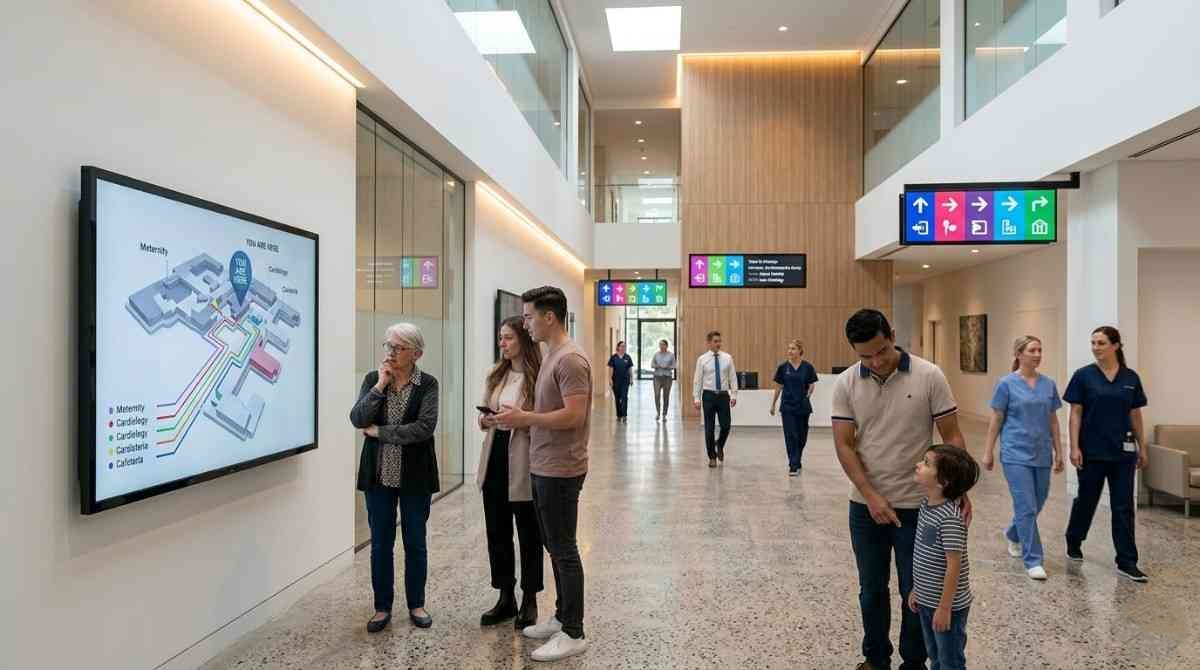
- Interactive directories
- Menu displays
- Wayfinding systems
Industries Benefiting Most From Smart Signage Systems
Retail Stores
Retail businesses use signage systems to:
- Promote featured products
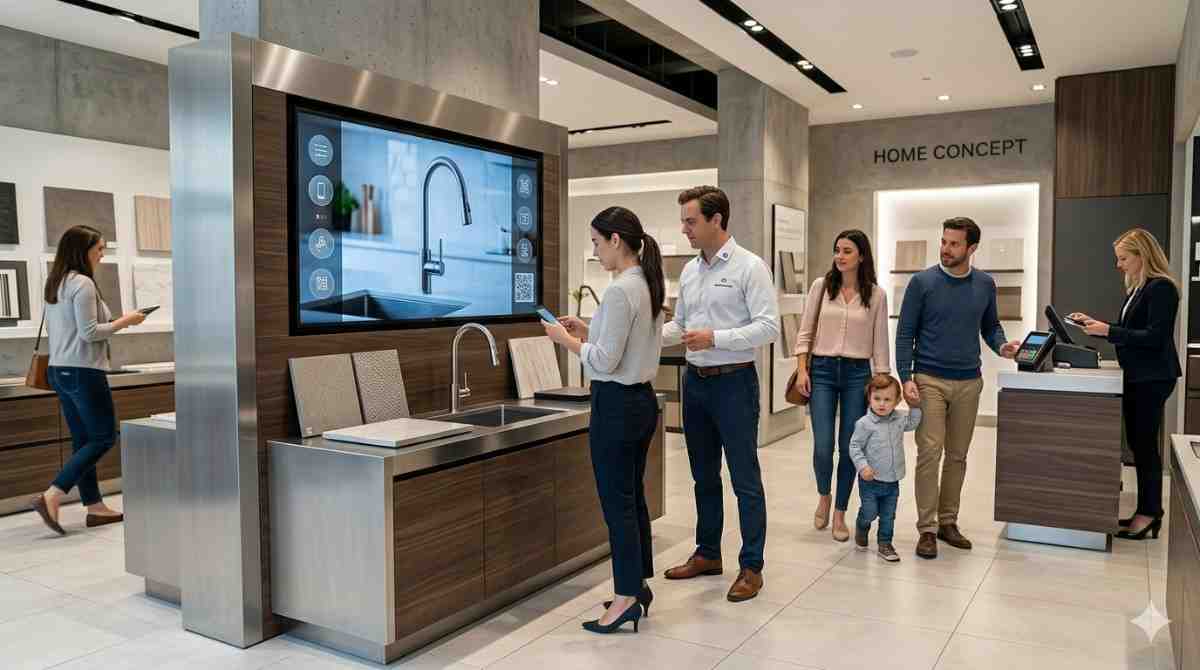
- Create immersive shopping experiences
- Increase impulse purchases
- Reduce perceived waiting times
Interactive displays also encourage customers to explore products independently.
Retail Use Cases
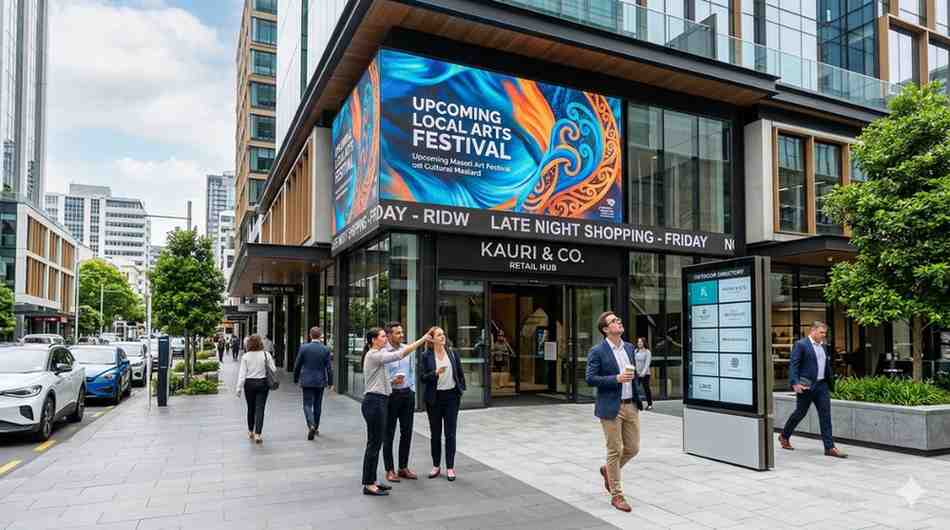
- Window advertising displays
- Product showcase screens
- Interactive fitting room displays
- Promotional video walls
Restaurants and Cafes
Restaurants increasingly rely on digital menu boards because they:
- Improve menu visibility
- Simplify updates
- Reduce operational delays
- Highlight high-margin items
Motion-based menu displays also improve customer engagement.
Corporate Offices
Modern workplaces use digital signage for:
- Visitor communication
- Internal announcements
- Meeting room management
- Reception branding
Professional displays create a stronger first impression for clients and guests.
Healthcare Facilities
Hospitals and clinics use smart signage systems for:
- Queue management
- Appointment information
- Navigation assistance
- Health awareness campaigns
Clear communication improves patient experiences significantly.
Educational Institutions
Schools and universities benefit from:
- Emergency communication systems
- Event promotions
- Campus navigation
- Student announcements
Digital displays help keep large communities informed efficiently.
Choosing the Right Smart Signage Strategy
Technology alone does not guarantee results. Businesses need a strategic approach to signage implementation.
Step 1: Define Your Primary Goal
Different businesses require different signage outcomes.
Ask:
- Are you trying to increase sales?
- Improve customer navigation?
- Strengthen branding?
- Deliver real-time updates?
- Improve customer engagement?
The answer determines the type of signage system you need.
Step 2: Understand Your Audience
Customer behaviour influences content strategy.
For example:
- Fast-moving retail spaces need bold visuals
- Corporate environments require professional layouts
- Restaurants benefit from simplified menus
- Educational campuses need clarity and readability
Understanding audience expectations improves engagement.
Step 3: Match Display Type to Environment
Indoor and outdoor environments require different technologies.
Indoor Signage Priorities
- High resolution
- Sharp image quality
- Interactive functionality
- Elegant design
Outdoor Signage Priorities
- Weather resistance
- High brightness
- Durable construction
- Long-distance visibility
Step 4: Focus on Content Design
The best hardware still fails without strong content.
Effective signage content should:
- Be easy to read
- Use minimal text
- Include strong visuals
- Follow brand consistency
- Deliver clear calls to action
A cluttered screen reduces effectiveness instantly.
Features That Matter Most in Modern Signage Systems
Not every digital signage platform offers the same capabilities.
Remote Content Management
Cloud-based systems allow teams to manage displays from multiple locations.
This is essential for businesses operating across different branches.
Scheduling and Automation
Smart scheduling helps businesses:
- Run time-sensitive campaigns
- Automate promotional rotations
- Adjust messaging by audience behaviour
Automation improves efficiency and consistency.
Interactive Capabilities
Interactive signage improves engagement through:
- Touchscreens
- Self-service kiosks
- Interactive maps
- Product browsing systems
Customers increasingly expect interactive experiences.
Analytics and Performance Tracking
Advanced signage systems now offer data insights such as:
- Audience engagement
- Screen uptime
- Campaign performance
- Content effectiveness
This allows businesses to optimize communication strategies over time.
Common Mistakes That Reduce Signage Performance
Even premium signage systems can underperform if implemented incorrectly.
Overcomplicated Content
Too much text overwhelms viewers.
Keep messaging concise and visually balanced.
Poor Screen Placement
Visibility matters more than screen size.
Displays should align with natural customer traffic flow.
Ignoring Brand Consistency
Inconsistent fonts, colours, and messaging weaken brand identity.
Every display should reflect the same visual standards.
Using Consumer-Grade Screens
Commercial environments require professional-grade hardware designed for continuous operation.
Failing to Update Content
Outdated content makes businesses appear inactive.
Fresh updates keep signage relevant and engaging.
Future Trends Shaping Smart Signage Systems
The digital signage industry continues evolving rapidly.
AI-Powered Personalization
Future signage systems can adapt content based on:
- Customer demographics
- Behaviour patterns
- Time of day
- Environmental conditions
Touchless Interactions
Gesture control and mobile integration are becoming increasingly important in public spaces.
Integration With Smart Technologies
Signage systems are now integrating with:
- IoT platforms
- Inventory systems
- Customer analytics tools
- Smart building technologies
Sustainability and Energy Efficiency
Businesses are prioritizing energy-efficient display technologies and environmentally responsible installations.
Why Smart Signage Is Becoming Essential for Competitive Brands
Modern customers are constantly exposed to visual content. Businesses must compete for attention within seconds.
Smart signage systems help brands:
- Stand out visually
- Communicate more effectively
- Create memorable customer experiences
- Improve operational efficiency
- Support long-term marketing goals
More importantly, they transform screens into active business assets rather than passive displays.
Expert Tips for Maximizing Signage ROI
Keep Messages Short
Most viewers only spend a few seconds looking at a screen.
Focus on one key message at a time.
Use Motion Strategically
Subtle animation attracts attention without overwhelming the viewer.
Update Content Regularly
Fresh content keeps customers engaged and encourages repeat interaction.
Prioritize Readability
Large fonts and high contrast improve visibility across all environments.
Test Different Content Formats
Experiment with:
- Videos
- Motion graphics
- Product highlights
- Customer testimonials
- Interactive elements
Performance testing helps identify what resonates most with your audience.
Why Businesses Trust Professional Signage Experts
Choosing the right signage systems involves more than selecting screens.
Professional providers help businesses:
- Plan installation layouts
- Choose suitable hardware
- Optimize visibility
- Design scalable systems
- Integrate content management platforms
Experienced signage specialists understand how to align technology with branding and customer experience goals.
For businesses looking to modernize their visual communication strategy, Dynamic Displays provides advanced signage systems designed for commercial environments across New Zealand.
Conclusion
Smart signage systems are no longer optional for businesses that want to stay competitive in visually driven markets. They help brands capture attention, communicate more effectively, and create stronger customer experiences that influence buying behaviour.
From digital menu boards and interactive kiosks to large-scale LED displays and corporate communication systems, modern signage technology transforms ordinary screens into high-performing business tools.
The key is choosing a signage strategy that aligns with your audience, environment, and long-term goals.
If your business is ready to upgrade its visual communication and turn screens into sales-driving assets, connect with Dynamic Displays today at +64 21 281 5009.